Get exclusive updates and promotions by subscribing to our newsletter.


ValleyGreenTea
Pu-erh raw cake Bing Dao 2021
$32.00 AUD
- Tax included.
- Shipping calculated at checkout.
Loading ...
Young Bing Dao Raw Pu-erh Cake (Sheng 生) — Great Value, 2021
Other names: Bing Dao Pu-erh, Bingdao Raw Pu-erh, Young Sheng Pu-erh Cake, Lincang Raw Pu-erh, 冰岛生饼
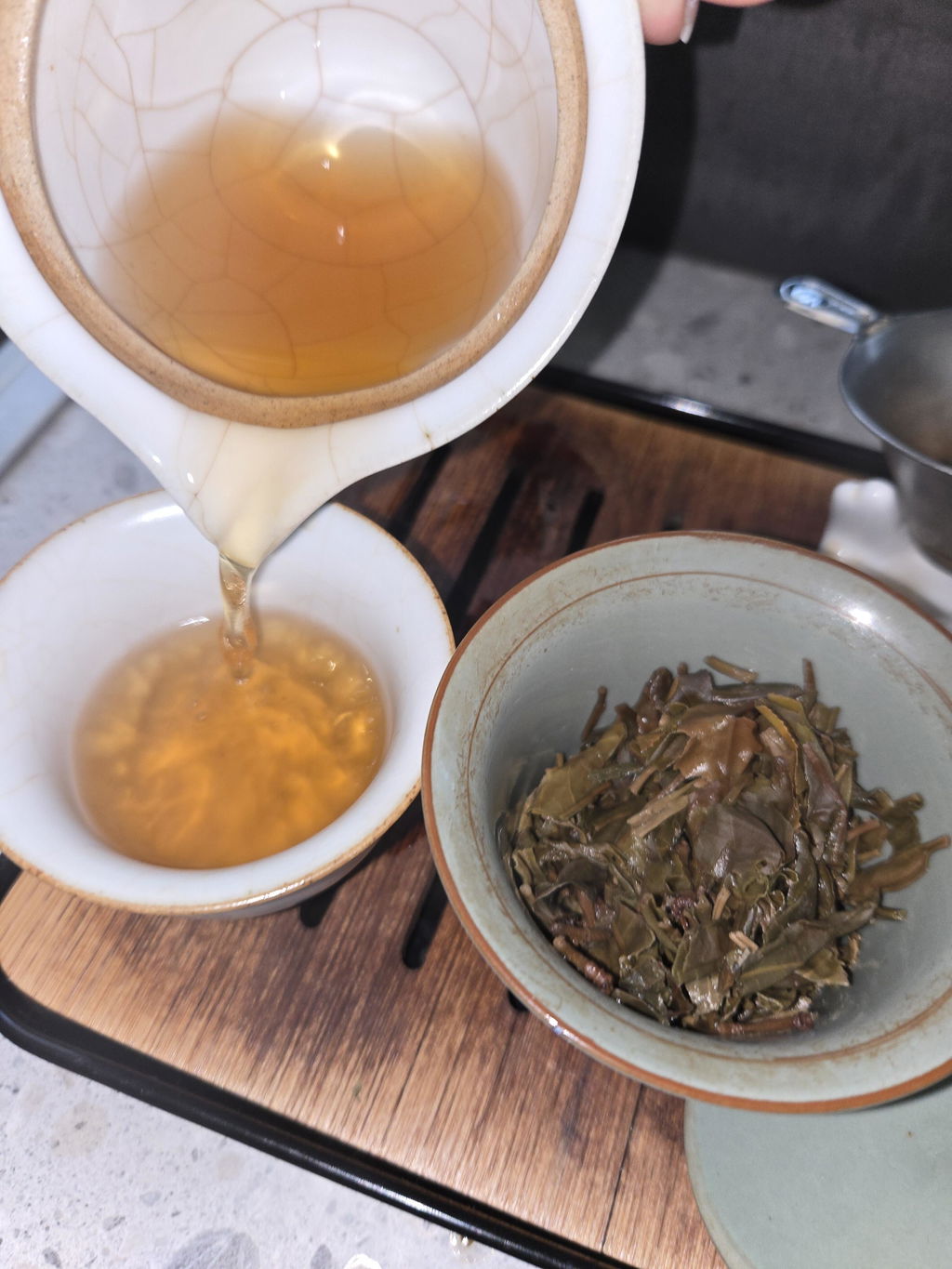
This is the friendly, affordable way to meet Bing Dao (冰岛) — one of pu-erh's most famous flavours. A young raw (Sheng) pu-erh with Bing Dao's signature rock-sugar sweetness and orchid aroma, in a bright, clean, easy-drinking cup.
Why drink it young?
Young raw pu-erh is fresh, bright and vivid — the purest taste of the leaf before years of ageing round it off. And because this one is young and keenly priced, it's a low-commitment way to enjoy the Bing Dao style now, with the option to keep a cake and follow it as it matures.
About This Cake
A young raw (Sheng) pu-erh from the Lincang area, made in the Bing Dao style: a brightly yellow brew, a refreshing rock-sugar (icing-sugar) sweetness and a lifted orchid fragrance, with the depth and energy of a good young sheng. Lovely to drink now, and priced to make it an easy everyday choice.
- Type: Raw (Sheng 生) pu-erh cake, young
- Region: Lincang (临沧), Yunnan — Bing Dao surroundings
- Flavour: rock-sugar sweetness and orchid aroma; bright, clean, refreshing
- Character: young, with good depth and energy; great value
- Production: 2021
- Weight: 357g full cake
Looking for the pinnacle?
Our flagship Bing Dao Gu Shu is pure 800-year core-village ancient-tree leaf — the top of the range. This cake is the everyday way into the same famous style.
Essential Pu-erh Tea Accessories
A pressed cake needs a couple of tools to enjoy it at its best:
- Cake pin: to break the cake neatly, slide a cake pin in from the edge and prise gently, keeping the leaves as whole as possible.
- Vessel: for pu-erh we reach first for a Yixing zisha pot — the unglazed clay rounds the cup out for a smoother, fuller brew — or a gaiwan for an easy, more affordable start. A young cake like this shows its sweetness beautifully in a gaiwan.
- Storage: keep your cake breathing in a pu-erh bamboo storage unit or an unglazed clay jar.
See the full range in our Pu-erh accessories.
Want to understand pu-erh a little better? Here's some honest, no-fluff knowledge to help you find your pu-erh.
How to Choose Your First Pu-erh
Your first pu-erh:
start with our Pu-erh Beginner's Trial Pack.
It brings together raw and ripe, loose and cake, in one box
— the easiest way to feel the difference and learn where you'd like to start next.
The quick version:
Raw (Sheng) is like sashimi — fresh, bright and a little wild;
Ripe (Shou) is like a rich, slow-cooked stew — dark, mellow and smooth, transformed by time.
Love green or white tea? Start raw — like this cake.
Love black tea, dark tea (hei cha) or roasted oolong? Start ripe — explore our Ripe (Shou) pu-erh.
Your next pu-erh: explore by region.
Scroll down — there's plenty here to help you decide. Finding a pu-erh you love is a genuinely fun journey, and the pricey one isn't always the one that suits you.
A young, affordable Bing Dao like this is one of the easiest ways to fall for the style — sweet, fragrant and friendly.
Pu-erh Regions: Why Origin Shapes Taste & Price
Region is one of the biggest reasons two pu-erhs can differ so much in taste, quality and price.
Across Yunnan, tea grows on hundreds of mountains, each giving its own character — shaped by the land and the tree type (ancient-tree, arbor or plantation).
Here's how Yunnan's three core regions break down — and where this cake sits:
1. Ban-Na (西双版纳) The King of Pu-erh
Yunnan's most famous region, and home to the old and new "Six Great Tea Mountains." It splits into two very different sides:
Menghai (勐海) — bold and domineering: rich, thick flavour, powerful cha qi and a high aroma. The classic home of ripe (Shou) pu-erh.
↳ Bu-Lang Tea Mountain (布朗茶山) — its most celebrated origins: Ban Zhang (班章), Lao Man E (老曼峨) and Hekai (贺开).
Yiwu (易武) — soft and fine: a floral-honey aroma over a wild forest character, with the least bitterness of all.
2. Lincang (临沧) The Queen of Sweetness
Lincang is all about sweetness — a high, lifted aroma and a broad, generous sweetness, floral and honeyed, with barely any bitterness. It's built on the celebrated Mengku broad-leaf variety.
Best-known origins: Bing Dao (冰岛), Xigui (昔归), Xiao Hu Zhai (小户寨) and Mengku (勐库).
★ This cake is a Bing Dao (冰岛) style — Lincang's signature rock-sugar sweetness, in a young, everyday form.
3. Pu'er (普洱) The Birthplace
Where the name "pu-erh" began. Soft, sweet and balanced, leaning to a floral-fruity sweetness — easy and approachable.
Best-known origins: Wuliang Shan (无量山) and Kunlu Shan (困鹿山).
A handy shorthand pu-erh drinkers use:
Ban Zhang is the king (bold and powerful),
Bing Dao is the queen (sweet and smooth),
Yiwu is grace itself (soft, supple and silky).
What Decides a Pu-erh's Price?
Pu-erh prices run from everyday to eye-watering, and it helps to know what you're paying for. A few things set the price:
- Where it's grown (region): a famous core village like Bing Dao or Lao Ban Zhang is scarce and commands top prices — while wider-area leaf in the same style costs far less.
- The tree (variety & age): ancient-tree (gu shu) leaf sits above arbor (qiao mu), which sits above plantation (tai di).
- The pick: even from the same tree, tender bud-and-tip fetches more than coarser leaf — and spring tea is prized over autumn.
- Age, storage & grade: older well-stored cakes and higher grades all add to the price.
That's why two cakes both labelled "Bing Dao" can sit at very different prices. The exact village, tree type, grade and season change everything — so the name alone never means the same tea. This cake is the value end of the Bing Dao style; our flagship Bing Dao Gu Shu is the core-village peak.
We're honest about price. This is the Bing Dao style done affordably — that famous rock-sugar sweetness, young and keenly priced, without a core-village price tag.
And a bigger price tag doesn't mean "better for you." Don't chase the number on the label: trust your tongue, not the price. The right pu-erh is simply the one you love drinking — which is exactly why we sample everything first.
Pu-erh, Caffeine & Antioxidants
Like all true tea from the Camellia sinensis plant, pu-erh is post-fermented and naturally contains antioxidants and caffeine — that's simply part of the leaf.
Young raw pu-erh like this is bright, aromatic and full of energy. If you're sensitive to caffeine, keep your leaf light and your steeps short, and enjoy it earlier in the day.
Brew this raw pu-erh the right way
— check out our professional Brewing Guide, Storage Care, and The Origins below 👇
🍵 Brewing Guide
📦 Storage & Care
🌿 The Origins
Loading ...
J
Great contender to the sought after (and expensive) gushu bing dao cakes. Strong huguain, big wall of bitterness with a great rock sugar tatse.