Does green tea contain caffeine?
Yes, green tea does contain caffeine — but the amount varies depending on the variety, brewing temperature, steeping time and amount of tea used. A typical cup of loose leaf green tea contains around 20-45mg of caffeine per cup. Green tea also contains L-theanine, an amino acid that works with caffeine to produce calm, sustained energy without the jitters or crash. For those sensitive to caffeine, brewing at a lower temperature and for a shorter steeping time will reduce caffeine extraction.
What are the benefits of drinking green tea?
The benefits of drinking green tea are often linked to its natural catechins, gentle caffeine and L-theanine content. Many customers choose green tea as part of a balanced daily routine because it feels refreshing, light and easy to drink. Green tea has been associated with antioxidant intake, calm focus and everyday wellbeing, especially when enjoyed as fresh loose leaf tea. Freshness matters, as aroma, flavour and natural plant compounds can decline over time. This is why Valley Green Tea cold-stores green tea at under 5°C until it is packed and dispatched from Sydney.
Does green tea help with weight loss?
Green tea and weight loss are often discussed together because green tea naturally contains catechins and caffeine. Some research has associated green tea with modest metabolic support, especially when combined with a balanced diet and regular exercise. However, green tea should not be treated as a weight loss solution on its own. For customers asking does green tea help you lose weight, the most realistic answer is that it may be a helpful daily drink within a broader healthy lifestyle. Fresh loose leaf green tea is also a better choice than sugary drinks or heavily processed beverages.
How is Chinese green tea different from Japanese green tea?
The key difference is processing. Chinese green teas are pan-fired or roasted after harvest, producing a warmer, nuttier flavour with natural sweetness. Japanese green teas like Sencha Green Tea and Genmaicha Green Tea are steamed immediately after picking, giving them a fresher, more vegetal taste. Chinese varieties such as Dragon Well Longjing Tea and Bi Luo Chun use whole, selected leaves graded for quality. Neither style is superior — the choice comes down to personal preference. Valley Green Tea carries both. For a detailed comparison, see our Complete Guide above.
What is the best green tea for beginners?
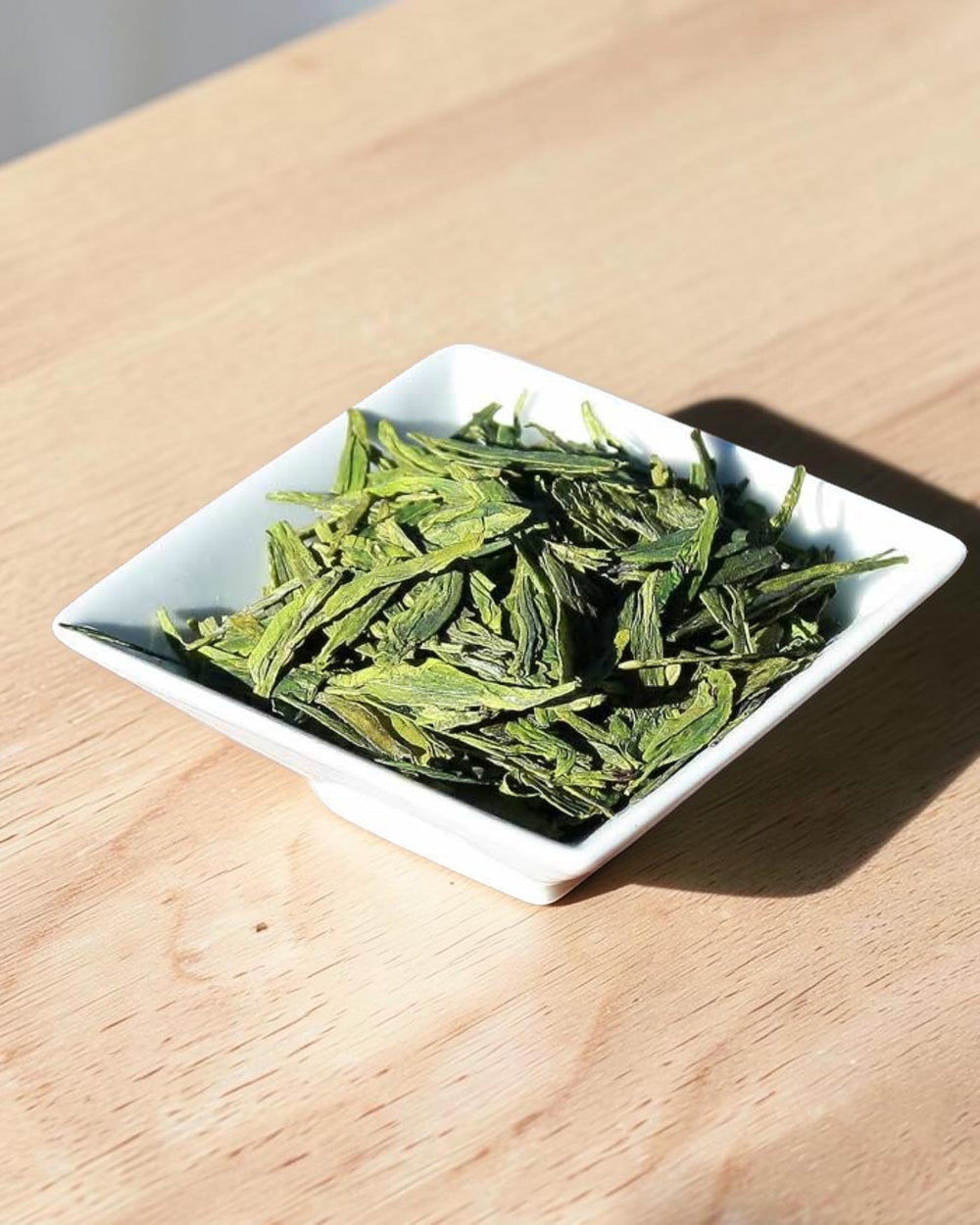
The best green tea to drink as a beginner is one that is smooth, naturally sweet and forgiving to brew. Dragon Well Longjing Tea is widely recommended for newcomers — its flat leaves, chestnut sweetness and low bitterness make it approachable and easy to enjoy. Bi Luo Chun is another excellent starting point, with a delicate floral aroma and gentle flavour. For those who prefer a more familiar taste, Genmaicha Green Tea — blended with roasted rice — offers a nutty, toasty profile that many find immediately enjoyable. Start with a small quantity of each to find your preference.
What is loose leaf green tea and why is it better?
Loose leaf green tea uses whole or large-cut tea leaves, as opposed to the broken leaves and dust found in standard tea bags. Whole leaves have more surface area to expand in water, releasing flavour and aroma more gradually — producing a more nuanced, complex cup. Tea bags, by contrast, brew quickly but lack depth and nutritional value. Loose leaf green tea also allows for multiple infusions — a good Dragon Well Longjing Tea or Bi Luo Chun can yield 3-5 cups from a single measure. At Valley Green Tea, we sell pure loose leaf only.
Is your green tea organic?
Yes — we offer a range of certified organic green tea for those who prefer pesticide-free options. Our organic range includes Organic Dragon Well, Organic Bi Luo Chun and Organic Matcha Powder, sourced from suppliers holding NASAA, EU Organic and USDA Organic certification. Not every variety in our collection is organic, as we also stock non-organic teas from premium conventional growers. Both our organic and non-organic teas meet our freshness and quality standards — sourced directly from growers and cold-stored on arrival in Sydney.
How should I store green tea?
Green tea is highly sensitive to heat, light, moisture and strong odours. To preserve freshness, store your green tea in an airtight container away from direct sunlight and heat sources. For best results, keep it refrigerated — particularly for delicate varieties like Dragon Well Longjing Tea and Bi Luo Chun. Avoid storing green tea near spices, coffee or strongly scented foods, as the leaves absorb odours easily. Once opened, consume within 2-3 months for optimal flavour. At Valley Green Tea, all green teas are cold-stored at under 5°C until your order is packed and dispatched from Sydney.
What types of green tea do you sell?
Valley Green Tea offers 21 varieties of loose leaf green tea, including both Chinese and Japanese styles. Our Chinese green tea range includes Dragon Well Longjing Tea, Organic Dragon Well, Bi Luo Chun, Organic Bi Luo Chun, Dong Ting Bi Luo Chun, Mao Feng, Mao Jian, Hou Kui, Enshi Yulu — one of the few steam-processed green teas still produced in China — and Zhu Ye Qing. Our Japanese-style range includes Sencha Green Tea and Genmaicha Green Tea. We also offer Organic Matcha Powder. Browse our full collection above to find the right green tea for you.